
What is Ghazal
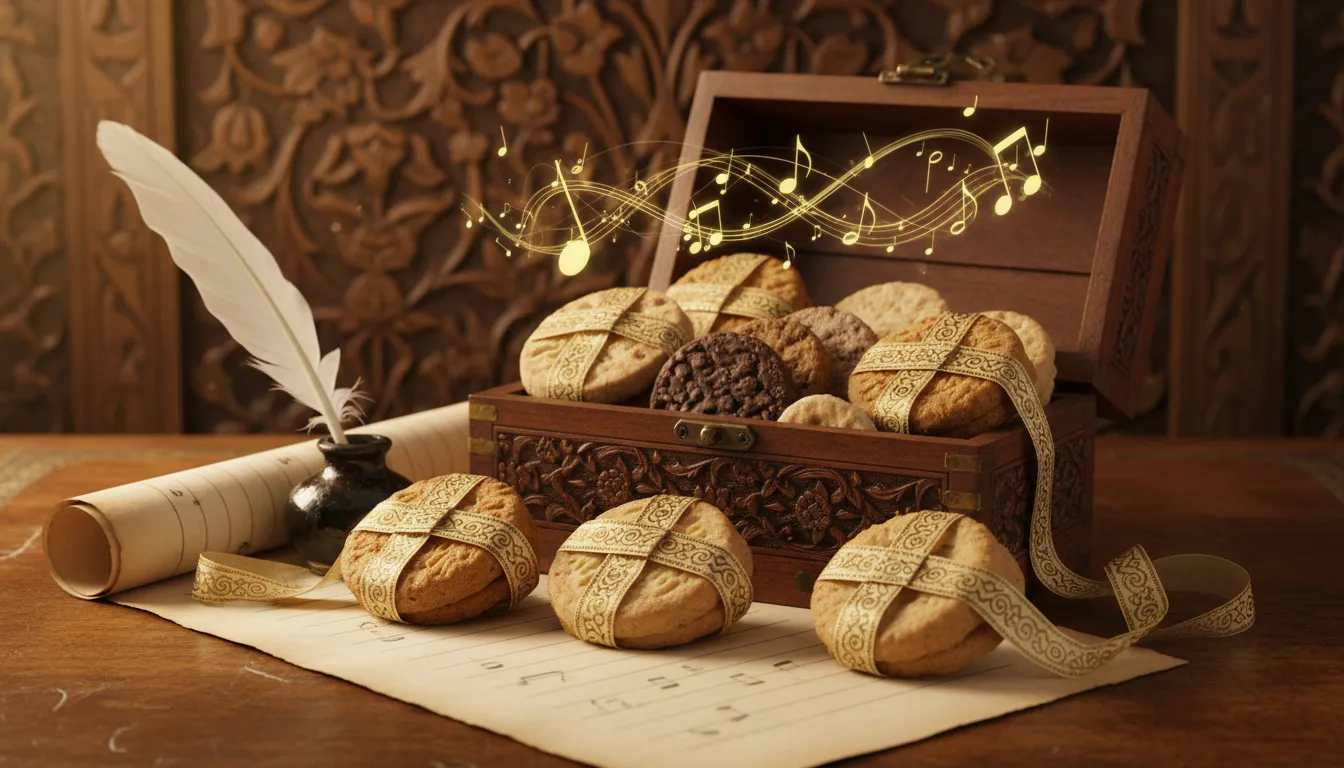
When someone asks What is Ghazal, they are really asking about a unique poetic form that packages emotion, idea, and melody into short, self-contained couplets. Think of a box of assorted biscuits: each biscuit tastes different, but they share the same box. That simple image captures the heart of the ghazal—individual couplets held together by meter and rhyme.
Table of Contents
What is Ghazal: a short overview
What is Ghazal is best answered by breaking the form down into its parts. At its simplest, a ghazal is a sequence of couplets called sher. Each couplet has two lines called misra. Each sher is self-contained: it can express a complete thought, a full observation, or a punchline. Yet, despite their independence, the shers sit together in a single poem because they share a common meter and a repeating rhyme pattern.
Anatomy of a ghazal
To understand What is Ghazal in practice, you need to know its building blocks. These are the recurring terms that make ghazal both strict and liberating.
Sher and misra
A sher is a couplet, and each sher is made of two misra (lines). Each sher is a complete statement in itself. That is why a ghazal feels like a collection of small, quotable aphorisms rather than a continuous narrative.
Matla and maqta
The first sher that carries the rhyme scheme in both lines is called the matla. Matla sets the tone and the rhyme for the entire ghazal. The final sher often contains the poet’s pen name, known as the takhallus, and that final couplet is called the maqta. The maqta can be playful, reflective, or self-referential; it often leaves a lasting impression.
Kaafiyaa and radif
Two words you will keep encountering when explaining What is Ghazal are kaafiyaa and radif. The kaafiyaa is the rhyme that appears before the repeating word or phrase, which is the radif. The radif is repeated at the end of each sher (or at least at the end of every second line after the matla). Together they create the ghazal’s characteristic echo.
Kaafiyaa: the rhyming pattern that comes right before the radif.
Radif: the repeated word or phrase at the end of the line.
To illustrate: if the radif were a single word like “again,” the kaafiyaa would be different words that rhyme with each other and appear right before “again” in each applicable line.
Meter (behr)
One more constraint binds the shers together: metre, called behr. Every line in the ghazal must follow the same metrical length. This consistent rhythm is one of the reasons a ghazal reads and sounds cohesive despite its thematic jumps.
Why ghazal structure matters
When explaining What is Ghazal, you must stress that structure is not a limitation but a creative frame. The fixed meter and repeating rhyme give the poet a disciplined playground. Within that framework the poet can leap from love to patriotism, from bitter satire to philosophical pause, all within the same poem.
This very feature makes ghazals highly quotable. Two lines often contain a full idea expressed in polished language. That explains why, in many public forums, the ghazal supplies memorable lines—compact, melodic, and rich in implication.
Thematic freedom within a strict form
Although every sher stands alone, poets sometimes weave an emotional or thematic thread across the ghazal. But a ghazal does not require narrative continuity. That’s central when trying to grasp What is Ghazal: unity is achieved by sound and rhythm, not necessarily by story.
Because of this, you can find a single ghazal that includes satire, heartbreak, philosophical reflection, and social commentary, each in separate couplets. The result is a mosaic of thought and feeling, all under the umbrella of a single formal discipline.
Ghazal’s language and musicality
Part of answering What is Ghazal is understanding that ghazals are meant to be heard as much as read. The repetition of the radif and the echoing of the kaafiyaa create a musical pattern that a skilled reader or singer can emphasize. This musicality is why ghazals have a life both on the page and in performance.
Because ghazals originated in Arabic, Persian, Urdu, and other South Asian languages, much of their power comes from linguistic devices—rhymes, assonance, and culturally charged metaphors. Translating a ghazal preserves the idea but often loses some of the sonic charm.
Examples and quotability
Consider the idea that each sher is complete. That alone answers part of the question What is Ghazal—it’s poetry optimized for quotation. Two lines can capture an entire mood or argument, so ghazals are routinely mined for memorable lines used in speeches, films, and everyday conversation.
Because shers are independent, you can extract a couplet to make a point without needing to reproduce the whole poem. That explains their cultural stickiness.
How to read and appreciate a ghazal
Reading a ghazal well requires a slightly different approach than reading a modern free-verse poem.
Listen to the sound: Look for the kaafiyaa and the radif. Notice how they create a pattern that shapes your expectation.
Pause after each sher: Treat each couplet as a complete thought and let it settle before moving on.
Accept thematic leaps: Don’t force a linear story across the poem. Appreciate the mosaic of images and ideas.
Look for the maqta: The final sher often reveals something playful or personal, especially if it contains the poet’s takhallus.
How to write a ghazal: basic steps
Answering What is Ghazal can help if you want to try writing one. Here are practical steps to get started:
Choose a radif—a short word or phrase that you can repeat at line ends and that has emotional or thematic resonance.
Decide on a kaafiyaa pattern—words that rhyme with each other and appear before the radif.
Pick a meter or simply keep the line lengths consistent to start; strict classical behr can be learned later.
Write independent couplets (sher) that each make a complete statement but respect the kaafiyaa and radif when required.
Place your best couplet as the matla (opening) and consider a personal maqta (closing) if you wish.
Once you have the framework, play within it. The discipline often leads to surprising turns of phrase and sharpened wit.
Common misconceptions about ghazal
Several misconceptions cloud the question What is Ghazal. Clearing them helps you read and write more thoughtfully.
Misconception: Ghazals must only be about love.
Reality: They can explore any theme—politics, philosophy, satire, longing, even humor.Misconception: All couplets have to relate to each other.
Reality: Each sher is often autonomous; thematic continuity is optional.Misconception: Ghazals are easy because each sher is short.
Reality: The constraints of rhyme and meter make ghazal writing a refined craft.
Why ghazals endure
Understanding What is Ghazal reveals why the form endures across centuries. Its combination of compactness, musicality, and intellectual elasticity means it adapts easily to new languages and contexts.
Ghazals are short enough to be memorized, strong enough to be quoted, and flexible enough to be topical. In public speeches, films, and casual conversation, shers are used to compress complex feelings into crisp, resonant lines. That is cultural power.
Practical tips for translating or adapting ghazals
Translating a ghazal requires balancing meaning with sound. When attempting a translation or adaptation, keep these tips in mind:
Preserve the sense of each sher as a complete idea.
Where possible, recreate a repeating sound or phrase to evoke the radif.
Consider free translations that prioritize rhythm and musicality over literal word-for-word rendering.
Final thoughts
The clearest answer to What is Ghazal is that it is an elegant tension between constraint and freedom. Constraints—rhyme, repetition, meter—create a shared language for the shers. Freedom—the independence of each couplet—allows range and surprise. The result is a form that rewards close listening, careful reading, and repeated return.
Frequently Asked Questions
What makes a couplet in a ghazal different from a couplet in other poetic forms?
A ghazal couplet, or sher, is designed to be complete in itself. Unlike couplets in narrative or sonnet forms, each sher does not need to continue a single storyline. Instead, its independence combined with shared meter and rhyme is what distinguishes it.
Does every line in a ghazal have to end with the same word?
No. What repeats is the radif, which appears at the end of the line where required by the structure. Before the radif comes the kaafiyaa, which is the rhyming pattern. The radif is repeated in specific positions, usually in the second line of each subsequent sher after the matla.
Can a ghazal have more than ten couplets?
Yes. While many classical ghazals have between six and ten couplets, there is no strict upper bound. The essential requirement is that the metre and the rhyme pattern remain consistent across the ghazal.
Is a maqta necessary in a ghazal?
No. A maqta—the final couplet that often includes the poet’s takhallus—is traditional but not mandatory. Some ghazals end without a takhallus or with a maqta that keeps the focus on the poem rather than the poet.
How do I start writing a ghazal if English is my primary language?
Start by choosing a repeating phrase (radif) that suits English usage, then find rhymes (kaafiyaa) that work naturally before that phrase. Keep your line lengths consistent. Focus on crafting shers that read as complete thoughts. Experiment and adjust the metre by ear to create a musical rhythm.